Understanding Jewish funeral traditions becomes increasingly important as South Florida’s Jewish community ages and grows. The most recent comprehensive study from Brandeis University estimates that nearly 167,000 people live in Jewish households in Palm Beach County, with 49% of this population age 65 or older. This aging demographic calls for greater attention to end-of-life planning that honors traditional Jewish values while addressing contemporary challenges facing Jewish families today.
At The Gardens of Boca Raton, our dedicated Jewish Mausoleum section at The Gardens Sanctuary North follows all Jewish traditions while providing families with respectful, accessible memorial options. Our experienced team works closely with local rabbis and community leaders to ensure that every aspect of Jewish funeral customs receives proper attention and observance.
Understanding these sacred traditions and knowing what happens at a Jewish funeral helps families make informed decisions during difficult times while honoring their faith and comforting mourning loved ones. Keep reading to learn more about Jewish funeral customs, answer important planning questions, and get tips on having these vital conversations with your loved ones and rabbi.
Understanding Jewish Funeral Traditions & Planning Questions
Jewish funeral traditions encompass complex religious laws, cultural customs, and spiritual beliefs that have guided Jewish communities for thousands of years. These practices reflect core Jewish values, including:
- Respect for the deceased
- Support for mourners
- Faith in resurrection
- Eternal life
Planning for these sacred rituals helps families navigate difficult decisions while ensuring that religious requirements receive proper attention during emotionally challenging times.
Core principles and variations across denominations
Jewish funeral customs center on several fundamental principles derived from Torah teachings. As stated in Deuteronomy 21:23, “You shall surely bury him,” establishing the biblical commandment for prompt burial that forms the foundation of Jewish funeral law. Genesis also provides examples through Abraham’s purchase of burial ground for Sarah, demonstrating the importance of proper burial practices among the patriarchs and matriarchs.
Core principles governing Jewish funerals include these essential elements:
- Body integrity: Jewish law prohibits embalming, autopsy (except in specific circumstances), and cremation to preserve the body’s sanctity and prepare for resurrection.
- Simple burial: Plain wooden caskets and simple white shrouds (tachrichim) emphasize equality in death regardless of social status or wealth.
- Community involvement: The Chevra Kadisha (holy burial society) performs ritual washing and preparation, while the community provides support during mourning periods.
Denominational variations affect how these principles apply in contemporary practice. Orthodox Judaism strictly adheres to traditional laws, while Conservative communities may allow some flexibility in timing and procedures. Reform Judaism often adapts practices to modern circumstances while preserving essential spiritual elements, though statistics show that cremation rates among Reform Jews have reached approximately 40% nationally.
Essential questions to discuss with your rabbi and family
Conversations with rabbis and family members help clarify religious requirements, personal preferences, and practical considerations that affect funeral arrangements.
Important discussion topics include:
- Religious observance level: Determining which traditions the family wishes to maintain and which adaptations may be acceptable based on denominational affiliation.
- Burial location preferences: Discussing cemetery options, including considerations for Jewish cemetery sections, accessibility, and family proximity.
- Service elements: Planning funeral speakers, music choices, and ceremonial components.
- Mourning practices: Understanding shiva observance, visitor protocols, and community support expectations.
These conversations often reveal different perspectives within families and provide opportunities for education and compromise that honor both tradition and contemporary realities.
Understanding your congregation’s specific practices
Individual congregations often develop specific customs and interpretations that influence funeral arrangements and mourning practices within their communities. Local rabbis guide denominational requirements while accommodating unique circumstances that may arise during funeral planning. Understanding congregation-specific practices helps families align their arrangements with community expectations and available resources.
Many congregations maintain relationships with local Chevra Kadisha organizations, including the National Association of Chevra Kadisha (NASCK), which enables Jewish individuals to have proper Jewish burial and mourning periods regardless of their financial circumstances or level of religious observance.
Immediate Care & Timing: From Death to Service
The period immediately following death involves several critical decisions and ritual observances that honor Jewish tradition while addressing practical requirements for funeral arrangements. These time-sensitive activities require coordination between family members, religious leaders, and funeral services professionals who understand Jewish law and customs.
Shmira, Chevra Kadisha, tahara, and tachrichim
Traditional Jewish care for the deceased involves several sacred rituals performed by trained community members who understand the proper preparation’s spiritual and practical requirements. Shmira refers to the continuous watching over the deceased from death until burial, ensuring that the body is never left alone as a sign of respect and protection. This vigil typically involves community volunteers who recite psalms and prayers while maintaining reverent silence.
The Chevra Kadisha (holy burial society) performs tahara, the ritual purification and preparation of the deceased according to strict religious protocols. This sacred process involves:
- Ritual washing: Careful cleansing of the body using specific procedures and prayers that honor the deceased while preparing for burial.
- Dressing in tachrichim: Placing the deceased in simple white linen shrouds without pockets or decorative elements to emphasize equality in death.
- Placement in casket: Using plain wooden caskets without metal hardware that allow natural decomposition as Jewish law requires.
- Respectful handling: Maintaining modesty and reverence throughout all preparation procedures while asking forgiveness for any necessary intrusions.
These rituals reflect core Jewish beliefs about the sanctity of the human body and the spiritual significance of proper preparation for burial and eventual resurrection.
Viewing, embalming, and casket customs
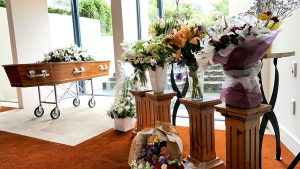
Traditional Jewish practice prohibits embalming, public viewing, and elaborate casket displays that conflict with religious teachings about bodily integrity and spiritual preparation. These restrictions stem from beliefs about resurrection and allowing natural decomposition as part of the soul’s journey. Contemporary Jewish communities may adapt these practices.
Jewish casket requirements emphasize simplicity:
- Material specifications: Plain wood construction without metal hinges, handles, or decorative elements that could impede natural decomposition.
- Design simplicity: Unadorned exteriors that reflect Jewish values of equality and humility in death, regardless of social status or wealth.
- Functionality focus: Construction that prioritizes religious compliance over aesthetic appeal.
Prompt burial, Shabbat, and holiday scheduling
Jewish law typically requires burial within 24 hours, when circumstances permit. This urgency reflects spiritual beliefs about allowing the soul to depart the body and find peace while minimizing the period of ritual impurity associated with death. However, practical considerations may necessitate delays for family travel, legal requirements, or scheduling coordination with religious leaders.
Shabbat and Jewish holiday observance affect funeral timing in several important ways:
- Sabbath restrictions: Funerals generally do not occur on Shabbat due to prohibitions against work activities, though preparation activities may continue under rabbinical guidance.
- Holiday considerations: Major Jewish holidays may require scheduling adjustments.
- Community availability: Rabbi and Chevra Kadisha availability affect scheduling coordination.
- Cemetery operations: Jewish cemetery schedules accommodate religious requirements while maintaining operational efficiency for multiple services.
The Service & Burial: Prayers, Customs, and Graveside Rituals
Jewish funeral services combine ancient prayers, symbolic actions, and community participation that honor the deceased while providing comfort and support for mourning families. Understanding service components helps participants engage meaningfully in these sacred rituals while respecting tradition.
Traditional prayers, keriah (tearing), and Kaddish
Jewish funeral services incorporate specific prayers and rituals that express faith, mourning, and hope while supporting the spiritual needs of both deceased and living participants. These ancient texts and symbolic actions connect individual loss and broader Jewish experience throughout history.
Essential prayer and ritual elements include:
- Psalms recitation: Traditional selections that express trust in divine justice and eternal peace while providing comfort during grief.
- Eulogy delivery: Respectful remembrance of the deceased’s life, achievements, and character that honors their memory while inspiring living participants.
- Keriah ceremony: Ritual tearing of garments by immediate family members that symbolizes the permanence of loss and the physical manifestation of grief.
- Kaddish prayer: Sacred mourner’s prayer that affirms faith in divine justice and resurrection while creating community bonds among grieving participants.
Earth burial, placing soil, and leaving stones
Jewish burial emphasizes direct contact between the deceased and the earth as required by religious law and spiritual belief. This practice reflects core teachings about returning to the ground, as Genesis states, while preparing for eventual resurrection.
Graveside customs include meaningful participatory elements:
- Earth placement: Family members and community participants place soil directly onto the casket using the back of shovels to demonstrate reluctance while fulfilling religious obligations.
- Stone leaving: Visitors place small stones on grave markers during subsequent visits as lasting symbols of remembrance and respect that accumulate over time.
- Prayer continuation: Recitation of appropriate psalms and prayers during burial activities that maintain spiritual focus throughout practical procedures.
- Community support: Collective participation in burial activities demonstrates community solidarity and ongoing support for mourning families.
Flowers versus donations, and above-ground considerations
Elaborate floral displays are discouraged at traditional Jewish funerals, while charitable donations that honor the deceased’s memory are encouraged instead. This custom reflects Jewish values of practical assistance and lasting impact rather than temporary decorative elements.
Alternative memorial expressions include:
- Charitable contributions: Donations to causes meaningful to the deceased or organizations that serve community needs in their memory.
- Educational dedications: Supporting religious or community educational programs that create lasting positive impact through learning and growth.
- Community service projects: Organizing volunteer activities that honor the deceased’s values while benefiting others in practical ways.
Modern Jewish families increasingly consider above-ground burial options that accommodate religious requirements. Our Jewish Mausoleum at The Gardens Sanctuary North provides families with burial and entombment options that honor traditional requirements.
Mourning Practices & Supporting Families
Jewish mourning practices provide structured support systems that help grieving families process loss while maintaining community connections and religious obligations. These time-honored traditions create frameworks for expressing grief, receiving comfort, and gradually returning to normal activities through graduated mourning periods.
Shiva, shloshim, and avelut periods
The Jewish mourning observance encompasses three distinct periods with decreasing intensity that allow gradual reintegration into normal activities while respecting the deceased and acknowledging loss. Each period serves specific purposes in the healing process.
The three mourning periods include specific observances and restrictions:
- Shiva (seven days): After burial, immediate family members remain at home, refrain from work, sit on low chairs, cover mirrors, and receive visitors who provide comfort and support.
- Shloshim (thirty days): Extended mourning period during which mourners avoid celebrations, music, and haircuts while gradually resuming normal activities and responsibilities.
- Avelut (twelve months): A full year of mourning for parents includes additional restrictions on entertainment and celebrations while emphasizing ongoing remembrance and spiritual growth.
Visiting protocols and digital condolences
Shiva visiting requires sensitivity to the mourning family’s needs while providing meaningful comfort and support during the most intensive grieving period. Traditional protocols guide visitor behavior to ensure that comfort and support receive priority over social interaction or casual conversation. Contemporary adaptations accommodate modern communication methods while preserving essential community support and religious observance elements.
Appropriate Shiva visiting practices include:
- Timing considerations: Visiting during designated hours that accommodate family needs.
- Behavior guidelines: Allowing mourners to initiate conversation, avoiding forced cheerfulness, and focusing on memories and support rather than casual topics.
- Practical assistance: Bringing appropriate food, offering specific help with household needs, and contributing to family support without additional burdens.
- Religious respect: Understanding prayer schedules, participating appropriately in religious activities, and respecting family customs and traditions.
Modern technology enables digital condolences and virtual support that connect distant family and friends while maintaining traditional elements of comfort.
Cultural sensitivity and respectful etiquette
Supporting Jewish mourning families requires understanding cultural nuances and religious requirements that may differ from secular or religious traditions. Appropriate behavior demonstrates respect for Jewish customs while providing meaningful comfort that honors mourners and deceased individuals. Cultural sensitivity helps prevent unintentional offense while ensuring that support efforts contribute positively to healing processes.
Essential cultural considerations include understanding dietary restrictions, religious observances, and family dynamics that affect mourning experiences. Kosher food requirements, Sabbath observance, and prayer obligations influence visitor interaction and support provision.
Local Support: Working with Rabbis and Our Team in Boca Raton
Navigating Jewish funeral customs and knowing what happens at a Jewish funeral requires collaboration between knowledgeable religious leaders, experienced funeral professionals, and caring community members who understand both traditional requirements and contemporary applications.
At The Gardens of Boca Raton, our dedicated team works closely with local rabbis and Jewish community organizations to ensure that every aspect of funeral planning honors religious law while addressing practical family needs.
Our Jewish Mausoleum facility provides families with traditional burial options that accommodate religious requirements while offering enhanced accessibility and comfort for ongoing visits and community gatherings. Understanding family heritage preservation and the importance of continuing traditions helps Jewish families maintain connections to their faith and community throughout generations.
For immediate assistance with Jewish funeral arrangements or to begin planning a funeral for a parent or other family member, contact our experienced team today for compassionate guidance through these important decisions.